
5 Signs an Infected Tooth May Need a Root Canal
Blog:5 Signs an Infected Tooth May Need a Root Canal
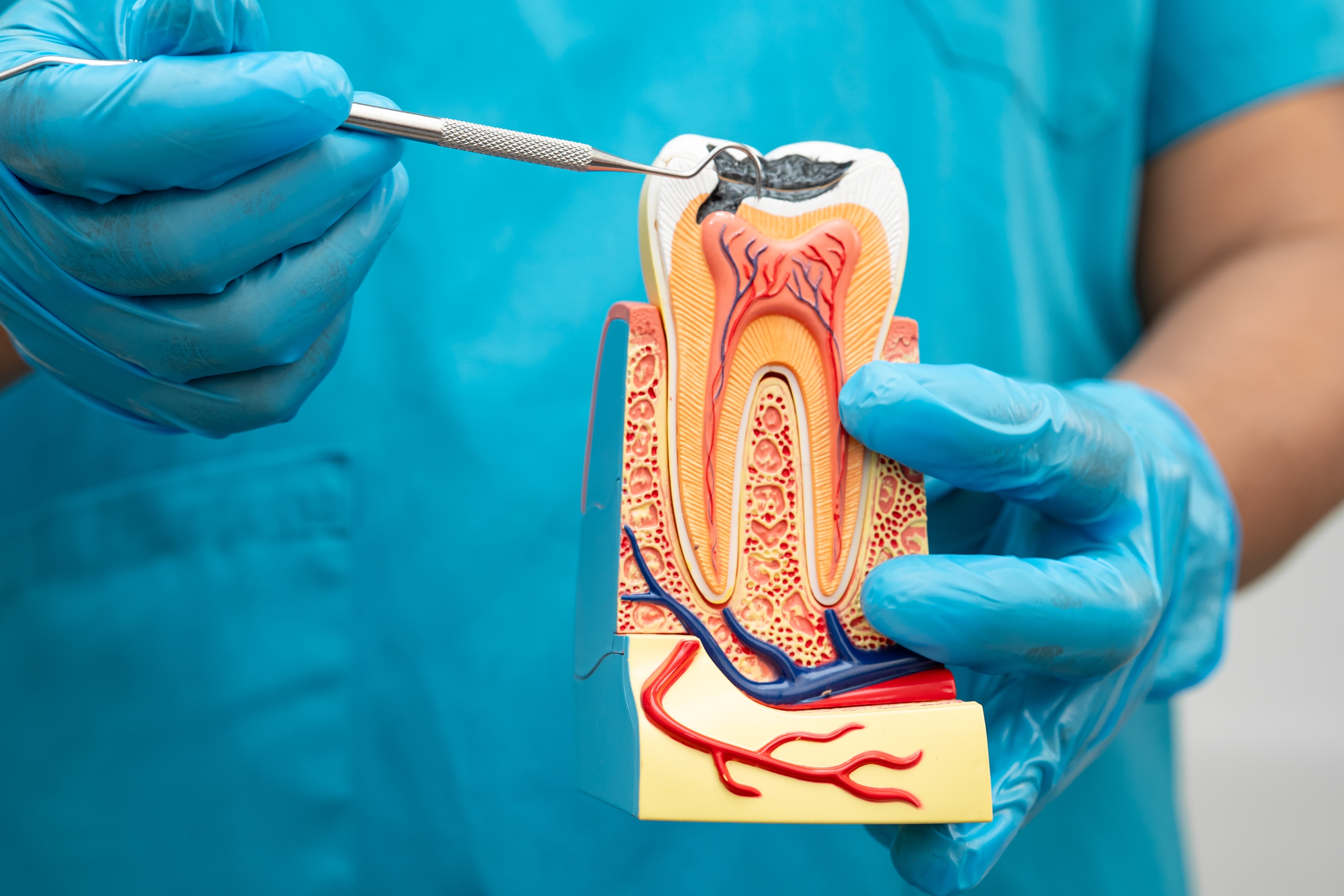
An infected tooth can cause more than temporary discomfort. When bacteria reach the soft pulp inside a tooth, the infection can affect the nerves and surrounding tissues. A root canal may be recommended to remove the infected tissue, relieve symptoms, and help save the natural tooth. Knowing the signs of a tooth infection can help you seek dental care before the problem becomes more serious.
1. Persistent Tooth Pain
Ongoing tooth pain is one of the most common reasons patients seek treatment for an infected tooth. The discomfort may feel deep within the tooth and can range from a dull ache to intense throbbing.
Pain that repeatedly returns or becomes worse when chewing or biting should be evaluated by a dentist. While tooth pain does not always mean you need a root canal, it can indicate that the pulp inside the tooth is irritated or infected.
2. Lingering Sensitivity to Hot or Cold
Temporary sensitivity after drinking something hot or cold is common. However, sensitivity that lingers after the temperature is removed may point to damage inside the tooth. If a tooth remains painful for an extended period after drinking hot coffee or eating something cold, the nerve may be inflamed or infected.
3. Swollen or Tender Gums
An infection inside a tooth can sometimes spread into the surrounding gum tissue. Watch for changes such as:
• Swelling or tenderness near a specific tooth
• A small bump or pimple on the gums
• Drainage or an unpleasant taste in the mouth
• Swelling that comes and goes
• Tenderness when touching the surrounding area
These symptoms warrant a dental evaluation, even if the tooth itself is not causing severe pain.
4. A Darkened or Discolored Tooth
A tooth that suddenly becomes gray, brown, or noticeably darker than the surrounding teeth may have experienced damage to its internal tissue. This can happen after an injury or when the tooth's pulp begins to deteriorate. Because discoloration can have several causes, a dental examination and X-rays may be necessary to determine whether root canal treatment is appropriate.
5. Pain When Biting or Chewing
Sharp or persistent pain when applying pressure to a tooth can be another warning sign. Infection or inflammation around the tooth's root may make chewing uncomfortable, even when the tooth appears normal from the outside.
Ignoring this discomfort can allow an underlying dental problem to progress. Early evaluation gives us the opportunity to determine the source of the pain and recommend treatment.
How Root Canal Treatment Helps Save an Infected Tooth
During root canal treatment, we remove infected or damaged tissue from inside the tooth, clean and shape the area, and seal it to help prevent further infection. A filling or dental crown may then be used to restore and protect the tooth.
If you're experiencing persistent tooth pain, sensitivity, swelling, or other signs of an infected tooth, contact Better Smiles Family Dental to find out whether root canal treatment may help relieve your discomfort and save your natural tooth. Visit our office in Frederick, MD, or call (301) 360-9692 to book an appointment today.
Quick Links
Helpful Articles
article_category: products
article_category: psychiatry
article_category: faqs
article_category: cats
article_category: general
article_category: services
article_category: technology
article_category: dogs
article_category: restorative
article_category: vision therapy
article_category: contact lenses
article_category: health
article_category: conditions
article_category: eye surgery co-management
article_category: exotic
article_category: cosmetic
article_category: surgical procedures
article_category: aesthetics
article_category: preventative
article_category: ocular disease management
article_category: eyeglasses
article_category: eye health
article_category: large animal
[]
article_category: psychiatry
article_category: faqs
article_category: cats
article_category: general
article_category: services
article_category: technology
article_category: dogs
article_category: restorative
article_category: vision therapy
article_category: contact lenses
article_category: health
article_category: conditions
article_category: eye surgery co-management
article_category: exotic
article_category: cosmetic
article_category: surgical procedures
article_category: aesthetics
article_category: preventative
article_category: ocular disease management
article_category: eyeglasses
article_category: eye health
article_category: large animal
[]
Flowbite is an open-source library of interactive components built on top of Tailwind CSS including buttons, dropdowns, modals, navbars, and more.
Check out this guide to learn how to get started and start developing websites even faster with components on top of Tailwind CSS.

All Dental Services
We offer a wide variety of dental services to the Frederick community. Contact us with any questions about our services.
Keep In Touch
For non-urgent questions or to learn more about our services, contact us today!
© 2026 Better Smiles Family Dental. All rights Reserved - Accessibility Statement - Privacy Policy - Sitemap
Managed and Designed by 